When it comes to scuba gear, there are some pieces of equipment you use because they get the job done, and then there are those pieces you genuinely enjoy diving with. For me, the Apeks RK3 fins fall into that second category.
I have a pair of yellow Apeks RK3s, and after diving with them I have become a big fan. They are rugged, powerful, easy to use, and they have several practical features that make a real difference once you are actually in the water or climbing back onto a boat.
First Impressions: These Fins Feel Built to Last
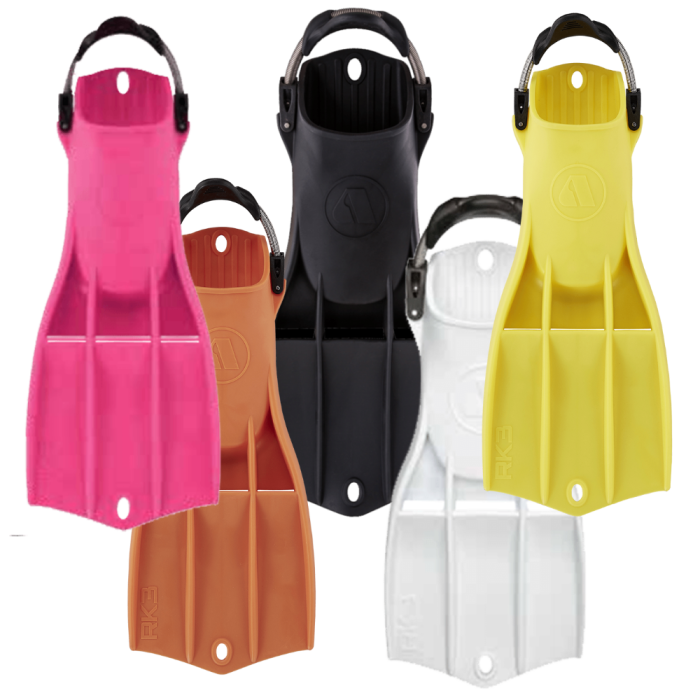
The first thing I noticed about the RK3s was how solid they feel. These are not flimsy recreational fins. The blade is relatively short and wide, the foot pocket is substantial, and the spring heel straps make them feel like a serious piece of dive equipment.
That rugged construction is important to me because dive equipment takes a beating. Fins get tossed onto boats, stepped on, stuffed into gear bags, dragged across decks, exposed to saltwater, and generally treated harder than most outdoor equipment.
The RK3s feel like they are designed for that kind of use. There are not a lot of complicated moving parts or delicate pieces. They are straightforward, tough fins that do what they are supposed to do.
The Yellow Color Was a Great Choice
I went with the yellow RK3s, and I am really glad I did.
One of the biggest advantages I have noticed has nothing to do with propulsion. It is visibility.
When I am not very deep, those yellow fins can be seen from a surprisingly long distance. That makes it much easier for another diver to identify me underwater. If you are diving with several people who are all wearing black wetsuits, black BCDs, black masks, and black fins, everybody can start looking pretty similar from a distance.
Bright yellow fins give your buddy something distinctive to look for.
Obviously, colors change as you go deeper and natural light disappears, but at shallower depths the yellow really stands out. For reef diving, boat diving, training dives, and group dives, I think that visibility is a legitimate advantage.
Where the RK3 Really Shines: Power and Speed
This is probably my favorite thing about these fins: they can move you.
When I want to cover some distance or pick up speed, the RK3s respond extremely well. The blade may look shorter than some traditional recreational fins, but do not mistake a shorter blade for a lack of power.
When I put some effort into my kick, I get a strong response. I do not feel like I am kicking hard while the fin flexes around behind me. The RK3s feel like they grab water and turn the kick into forward movement.
I especially like the RK3s when:
- I want to pick up speed quickly.
- I need to cover some distance.
- I am trying to catch up with another diver.
- I am working against some current.
- I want a strong, deliberate kick rather than a soft or floppy feeling.
- I need good control around a reef, wreck, or other divers.
For me, speed is one of the strongest points of the RK3. I have used plenty of fins that work fine for casual swimming, but the RK3 feels like it has another gear when I decide I need to move.
They Are Also Very Maneuverable
Power is great, but a fin that is nothing more than a giant paddle is not necessarily what I want underwater. As your diving improves, you start realizing that control can be just as important as raw propulsion.
The relatively short, broad blade helps here. I do not feel like I have an excessively long fin trailing behind me, which makes smaller, more controlled movements easier.
The RK3s work well for normal flutter kicking, but they also feel very natural when using frog kicks and smaller positioning kicks. That is useful when you are trying to maintain good trim, avoid stirring up the bottom, or stay away from coral.
One of My Favorite Features: I Can Clip Them to Myself
This may sound like a small feature until you have spent a lot of time getting in and out of the water from dive boats.
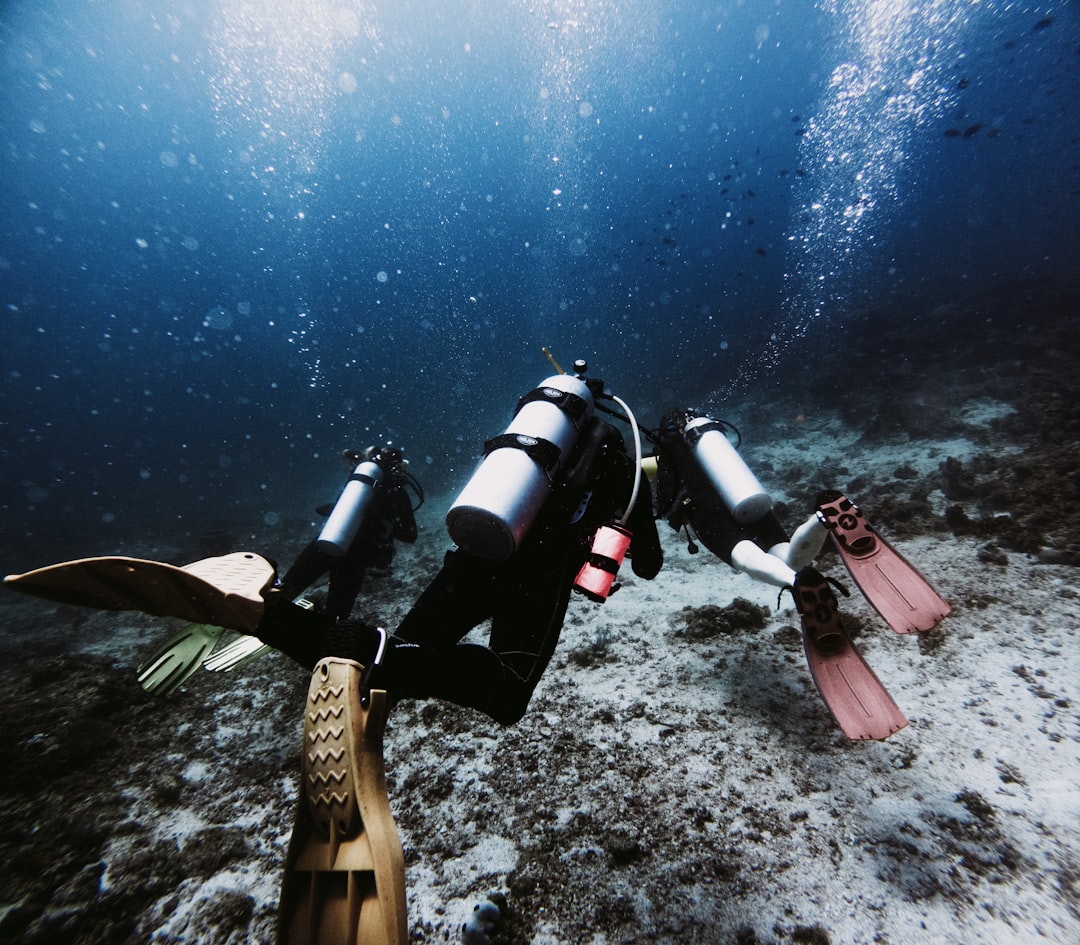
The RK3 has large openings in the blade that make it very easy to attach a clip. I really like being able to clip the fins onto myself when I am finished with them.
That leaves my hands free.
Anyone who dives regularly knows how useful that can be. At the end of a dive you may already be dealing with your mask, regulator, BCD, computer, camera, lights, SMB, a boat ladder, current, waves, and other divers.
The last thing I want is to climb a ladder while trying to hold onto a pair of fins.
I can remove my RK3s, clip them to my gear, and use both hands for whatever I need to do next. It is one of the simplest features on the fin, but it has become one of my favorites.
The Spring Straps Make Life Easier
I also like the spring heel straps. There is no constant adjusting or messing with traditional rubber straps and buckles.
I slide my foot into the pocket, pull the spring strap over my heel, and I am ready to go. Taking them off is just as easy.
That simplicity is especially nice when you are sitting on the edge of a boat trying to get geared up without wasting time.
The Foot Pocket Is Generous
One thing I would tell someone considering the RK3 is to pay attention to sizing, especially depending on the dive boots you use.
The foot pocket is fairly generous, which is great when using substantial dive boots, but I would not buy a pair based only on your normal shoe size. If possible, try them with the same boots you actually plan to dive in.
A fin can be excellent and still feel terrible if the fit is wrong.

They Are Not Lightweight Travel Fins
There is a tradeoff for having a rugged rubber-style fin: the RK3 is not what I would call an ultralight travel fin.
If your only priority is reducing airline baggage weight as much as possible, there are lighter choices.
For me, though, that is a tradeoff I am willing to make. I would rather have a fin that feels tough, gives me good power, and can take years of abuse.
Pros of the Apeks RK3
- Excellent propulsion: They give me plenty of power when I want to move.
- Great speed: This is one of their strongest features for me.
- Good maneuverability: The shorter blade makes controlled movements easier.
- Bright yellow visibility: My yellow fins are easy to identify from a distance when I am not very deep.
- Spring straps: Quick and easy to put on and remove.
- Easy to clip off: I can attach the fins to my gear and free up both hands after the dive.
- Rugged construction: They feel like equipment made to be used hard.
- Good for different kicking styles: I like them for both normal kicking and more controlled movements.
Cons of the Apeks RK3
- They are not especially light: Travelers trying to save every ounce may prefer something lighter.
- Sizing deserves attention: The fit can vary depending on the boots you wear.
- They may be more fin than a very casual diver needs: Someone doing only easy, calm-water resort dives may be perfectly happy with a softer recreational fin.
- The design is very utilitarian: They are built more around function than flashy styling.
Who I Think the RK3 Is Best For
I think these fins are a great choice for divers who value power, durability, visibility, and control.
They make a lot of sense for serious recreational divers, wreck divers, technical divers, boat divers, photographers who need good positioning, and anyone who simply wants a rugged fin that can take some abuse.
You definitely do not have to be a technical diver to appreciate them. I like mine because they are simply good fins.
Would I Buy the Apeks RK3 Again?
Yes. Without hesitation.
My yellow Apeks RK3s have given me exactly what I want from a set of scuba fins: power when I need it, good speed, solid control, rugged construction, easy spring straps, and the ability to clip them onto myself when I am finished using them.
The yellow color has turned out to be an added bonus. At shallower depths they are very easy to spot from a distance, which makes identifying me underwater much easier.
There may be lighter fins, longer fins, softer fins, or fins with more complicated designs. But the RK3 does not need a lot of gimmicks. It is a simple, tough piece of dive equipment that works.
Gypsea Bleu Rating: ★★★★★ 5/5
Best features: Power, speed, durability, maneuverability, spring straps, bright-color visibility, and the ability to clip them to your gear.
Biggest drawback: Weight and the importance of getting the right fit with your dive boots.
Would I recommend them? Definitely.
Would I buy them again? Absolutely.
Bottom line: If you are looking for a rugged scuba fin that delivers serious propulsion without giving up control, the Apeks RK3 deserves a spot near the top of your list.
— Michael, Gypsea Bleu